Gas supply constraints stall power transition

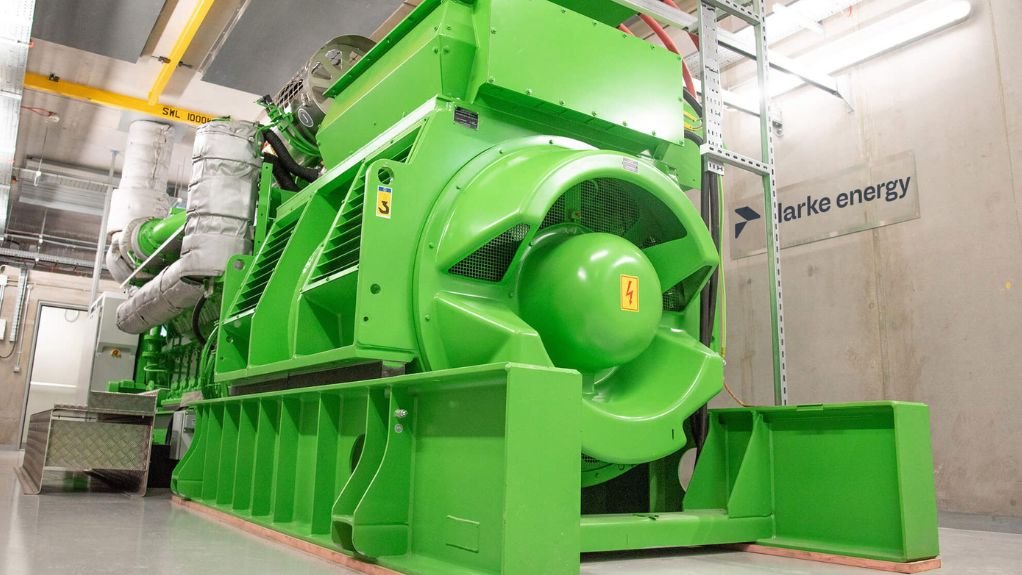
UNLOCKING PROGRESS Government has a critical role in unlocking progress by backing the gas-to-power programme


Securing reliable, long-term gas supply is the main constraint to expanding gas-to-power and industrial energy solutions in South Africa, says electrical power solutions provider Clarke Energy commercial leader Kara Neale.
She states that demand is not the fundamental issue, rather it is the availability of sufficient volumes of gas – an issue highlighted by recent hostilities between Iran and the US.
Unlocking gas supply would enable growth across both large-scale power generation and the commercial and industrial sectors, with Neale noting that the development of gas infrastructure remains critical, given the limitations of South Africa’s current pipeline network.
She adds that government support is essential to advance projects, particularly through policy certainty and financial guarantees. “Government has a critical role in unlocking progress by backing the gas-to-power programme in the same way it did with Renewable Energy Independent Power Producer Procurement Programme rounds,” she says.
Neale stresses gas plants being a key enabler of a more flexible and resilient electricity system, helping to maintain grid stability and security of supply.
She notes that gas engines are well suited to providing fast, dispatchable power, owing to their rapid startup and ramping capabilities, reaching full load within minutes, allowing them to respond to sudden changes in demand or renewable output.
“In this way, gas-to-power acts as a reliable ‘balancing’ resource,” she states.
Further, gas engines can operate efficiently across a wide load range and tolerate frequent starts and stops without significant wear, allowing system operators to dispatch power when required, rather than running continuously at baseload.
Gas plants are modular and scalable, allowing capacity to be added in stages and aligned with demand growth. They are also versatile, operating on numerous fuels, including natural gas, liquefied natural gas, liquefied petroleum gas, biogas, synthetic methane and hydrogen blends.
Neale notes that this versatility and flexibility is particularly important in South Africa, where the power system remains under strain.
From an environmental perspective, Neale adds that gas produces less CO2 emissions and releases fewer air pollutants when compared with coal, positioning it as a transition fuel.
Combined Heat and Power
Neale explains that combined heat and power (CHP) systems offer significant efficiency benefits, particularly for industrial and commercial users.
CHP systems capture waste heat from electricity generation and use it for applications such as steam, hot water or cooling.
“This can raise total system efficiency to 80% to 90%, compared with around 30% to 45% for conventional power generation,” she states.
She adds that CHP reduces reliance on grid-based electricity by enabling on-site generation, helping to mitigate rising tariffs and supply constraints, facilitating cost predictability.
Neale says that CHP systems can operate independently of the grid or alongside it. This is particularly important for energy-intensive users such as data centres, where uninterrupted power is critical.
CHP also improves sustainability by reducing overall emissions through more efficient fuel use.
Several sectors in South Africa are showing interest in gas-based energy solutions, including mining, metals, chemicals, cement, food and beverage and pulp and paper.
These industries require both electricity and thermal energy, making CHP an attractive option.
“Large commercial facilities, such as hospitals, hotels, shopping centres and universities, are also exploring gas solutions to improve resilience and reduce peak demand costs,” Neale says.
She notes that data centres represent a fast-growing segment globally, although growth in South Africa depends on resolving gas and energy supply constraints.
Shift From Diesel
Neale says global trends are driving a shift from diesel generators to gas-powered solutions, owing to environmental pressures, cost considerations and the need for more flexibility.
“Gas engines are better suited for continuous operation, offering longer maintenance intervals and lower life-cycle costs,” she says.
She notes that gas solutions are increasingly integrated into hybrid systems with solar, wind and battery storage, providing backup supply when renewable generation is unavailable.
Comparing gas and diesel generators, Neale says that diesel units have lower upfront costs but become expensive to run at higher operating hours. “Gas generators, while more capital intensive, offer lower fuel and operating costs over time.”
However, without resolving gas supply and infrastructure constraints, these opportunities will remain limited. “The sector has spent long enough in discussion and planning; the focus must now shift decisively to execution,” she concludes.
Article Enquiry
Email Article
Save Article
Feedback
To advertise email advertising@creamermedia.co.za or click here
Research Reports
Projects

Latest Multimedia
Latest News


Showroom

ALBIS FLANGES — founded in 1965 — is a petro-chemical approved manufacturer of flanges and fittings in most grades of steel, listed with Sasol,...
VISIT SHOWROOM




Press Office
Announcements
What's On
Subscribe to improve your user experience...
Option 1 (equivalent of R125 a month):
Receive a weekly copy of Creamer Media's Engineering News & Mining Weekly magazine
(print copy for those in South Africa and e-magazine for those outside of South Africa)
Receive daily email newsletters
Access to full search results
Access archive of magazine back copies
Access to Projects in Progress
Access to ONE Research Report of your choice in PDF format
Option 2 (equivalent of R375 a month):
All benefits from Option 1
PLUS
Access to Creamer Media's Research Channel Africa for ALL Research Reports, in PDF format, on various industrial and mining sectors
including Electricity; Water; Energy Transition; Hydrogen; Roads, Rail and Ports; Coal; Gold; Platinum; Battery Metals; etc.
Already a subscriber?
Forgotten your password?
Receive weekly copy of Creamer Media's Engineering News & Mining Weekly magazine (print copy for those in South Africa and e-magazine for those outside of South Africa)
➕
Recieve daily email newsletters
➕
Access to full search results
➕
Access archive of magazine back copies
➕
Access to Projects in Progress
➕
Access to ONE Research Report of your choice in PDF format
RESEARCH CHANNEL AFRICA
R4500 (equivalent of R375 a month)
SUBSCRIBEAll benefits from Option 1
➕
Access to Creamer Media's Research Channel Africa for ALL Research Reports on various industrial and mining sectors, in PDF format, including on:
Electricity
➕
Water
➕
Energy Transition
➕
Hydrogen
➕
Roads, Rail and Ports
➕
Coal
➕
Gold
➕
Platinum
➕
Battery Metals
➕
etc.
Receive all benefits from Option 1 or Option 2 delivered to numerous people at your company
➕
Multiple User names and Passwords for simultaneous log-ins
➕
Intranet integration access to all in your organisation